
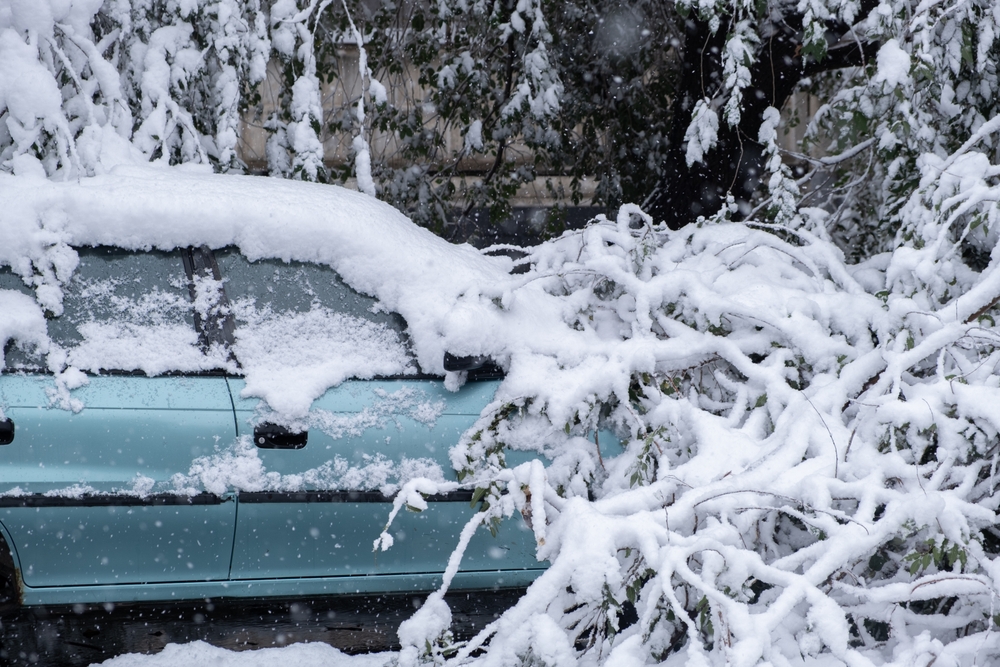
Winter brings its own set of challenges for UK drivers. From gritted roads and freezing temperatures to hidden potholes and flooding, your vehicle’s bodywork can take a serious battering if it isn’t properly protected. Dents, chips, cracks and corrosion often appear during the colder months, turning what could be minor cosmetic issues into costly repairs.
At Storm Dents, we understand just how frustrating it is to see your vehicle’s finish deteriorate. As trusted specialists in mobile dent removal, paintless dent removal (PDR) and vehicle body restoration, we help drivers across Essex and Suffolk keep their cars looking their best all year round. In this guide, we’ll break down what causes winter bodywork damage and share practical, effective ways to prevent it. For more information or to book our services, get in touch with us today!
What causes damage to vehicle bodywork?
Winter damage is rarely caused by one single factor. Instead, it’s often a combination of harsh weather conditions and driving hazards that slowly wear down your vehicle’s exterior.
One of the biggest culprits is road salt and grit. While essential for keeping roads safe, these materials are highly corrosive. When salt sticks to your car’s paintwork and remains damp, it can eat through the protective clear coat and encourage rust, particularly around wheel arches, sills and the lower doors.
Temperature fluctuations are another major factor. When water seeps into tiny paint chips or panel gaps, it can freeze and expand overnight. This freeze–thaw cycle widens cracks in the paintwork and weakens the integrity of the metal underneath, leading to bubbling paint and corrosion over time.
Debris and hidden hazards also become more common in winter. Fallen branches, loose gravel, and ice-covered potholes are harder to spot in low light or poor visibility. Even a small impact can cause dents, scratches and paint transfer, especially on bumpers and door panels.
Finally, moisture and road grime build-up can mask early signs of damage. Mud, slush and filthy spray often hide chips and dents until they become more serious. Without regular inspection and cleaning, small problems can quickly turn into expensive repairs.
7 Ways to Prevent Vehicle Bodywork Damage This Winter
With a little extra care and attention, you can significantly reduce the risk of winter-related bodywork damage. Prevention is always more cost-effective than repair, and it helps maintain your vehicle’s value and appearance. By taking a proactive approach during the colder months, you can protect your car’s paintwork and panels from unnecessary wear and tear.
Below are seven practical, reliable ways to protect your car’s bodywork throughout the winter season.
1. Wash your car more often than you think you need to
During winter, dirt isn’t just cosmetic. Road salt, grit and grime cling to your vehicle and actively contribute to corrosion if left untreated. Regular washing removes these harmful substances before they have time to damage your paintwork or settle into seams and joints. It’s especially important to focus on vulnerable areas such as the wheel arches, door sills, underside of the car and behind the bumpers, where salt and moisture tend to collect. If possible, choose a car wash that includes an underbody rinse, as this is one of the most effective ways to prevent hidden rust from developing.
2. Apply a protective wax or ceramic coating
A high-quality wax or ceramic coating creates a protective barrier between your vehicle’s paintwork and harsh winter elements. You can think of this layer as a raincoat for your car, shielding it from rain, salt, mud and icy grime. These coatings help repel water and road salt, make it harder for dirt to stick to the surface and reduce the risk of micro-scratches during washing. Applying this protection before winter fully sets in can significantly reduce long-term damage and keep your vehicle looking cleaner for longer.
3. Fix minor chips and scratches immediately
Small stone chips and light scratches may look harmless, but in winter, they quickly become entry points for moisture. Once water works its way beneath the paint and freezes, it expands and causes the damage to spread. Over time, this can lead to bubbling paint and rust patches. Using touch-up paint for very small chips or seeking professional help for anything larger allows you to seal exposed areas early. Acting quickly can prevent rust from forming and spreading beneath the surface, saving you money in future repairs.
4. Park smartly to avoid unnecessary knocks
Where you park during winter can have a surprisingly big impact on your vehicle’s bodywork. Tight, poorly lit or icy car parks increase the chances of door dings, trolley impacts and bumper knocks. Whenever possible, choose end parking spaces to reduce the risk of neighbouring door contact, avoid parking under trees that could drop branches during winter storms, and steer clear of flood-prone areas where rising water can damage paint and trim. Taking a few extra moments to choose a safer space can significantly reduce the chances of accidental dents and scuffs.
5. Drive more gently over winter roads
Winter roads often conceal potholes, high kerbs and debris beneath puddles, slush or thin layers of ice. Hitting these hazards at speed can cause serious damage to bumpers, sills and lower body panels. Slowing down when driving through standing water, navigating uneven road surfaces or entering poorly lit areas gives you more time to react and avoid hidden dangers. Adopting a smoother, more cautious driving style throughout winter can save you from costly bodywork repairs and unnecessary stress.
6. Keep drainage points clear
Leaves, mud and ice frequently block drainage holes around door frames, boot lids and sunroof channels during winter. When water cannot escape properly, it collects in hidden areas and encourages rust from the inside out. Regularly checking door and boot shuts, clearing visible debris and ensuring water can flow freely helps prevent long-term corrosion. Although it may seem like a small maintenance task, keeping these drainage points clear can have a huge impact on protecting your vehicle’s structure and paintwork.
7. Book professional inspections and preventative treatments
The final and most effective step is professional care. A trained technician can spot early signs of damage that most drivers simply don’t notice, such as tiny dents, weakened paint areas or the first signs of corrosion. Professional preventative treatments and minor repairs help keep your vehicle protected before problems escalate. Mobile specialists like Storm Dents can assess your vehicle at your home or workplace, giving you peace of mind without any inconvenience. Consistent professional care helps ensure your vehicle stays in excellent condition throughout winter and beyond.
By following these seven steps consistently, you can dramatically reduce the risk of winter-related bodywork damage and keep your vehicle looking its best throughout the colder season.
Restore Confidence in Your Car with Storm Dents
When winter does take its toll, it’s reassuring to know you have trusted experts on your side. At Storm Dents, we specialise in restoring vehicles to their original condition with precision, care and convenience.
We provide mobile dent removal and paintless dent repair (PDR) across Essex and Suffolk, including Colchester, Chelmsford, Braintree, Clacton, Ipswich and Sudbury. That means we come to you – at home or at work – saving you time and hassle.
Using advanced PDR techniques, we gently massage dents out from behind the panel without disturbing your factory paintwork. This preserves your vehicle’s original finish, protects its value and avoids unnecessary repainting. With over 19 years of experience and industry-recognised training, our technicians deliver results that many traditional body shops can’t match.
From minor door dings to hail damage and accident-related dents, Storm Dents delivers fast, cost-effective and high-quality results you can trust. Contact us today to get started!
The Benefits of Mobile Dent Repair
Mobile dent repair has revolutionised the way vehicle owners address bodywork damage. Instead of leaving your car at a garage for days, you can now have professional repairs carried out at your convenience. This modern approach offers a long list of practical advantages.
Firstly, it saves you time. There’s no need to take time off work or arrange lifts. The technician comes to your home or workplace and completes the repair on-site.
It is also far more convenient. You stay in control of your day while the repair happens in the background, with no disruption to your routine.
Mobile dent repair is generally more cost-effective than traditional body shops because:
- There are no large overheads
- No unnecessary painting or filler
- Faster labour time
Another key benefit is the preservation of your original paintwork. With paintless dent removal, the factory finish remains untouched, which helps maintain your car’s value and avoids colour-matching issues.
Mobile services are also:
- Ideal for busy professionals
- Perfect for fleet and commercial vehicles
- Environmentally friendly due to reduced paint and chemical use
- Highly effective on most minor to moderate dents
- Quick, with many repairs completed within hours
In short, mobile dent repair offers flexibility, speed, affordability and excellent results, making it the smart choice for modern drivers.
In Conclusion: Protect Today, Preserve Tomorrow
Winter doesn’t have to leave lasting marks on your vehicle. With the right preventative steps and trusted professional support, you can protect your car’s bodywork, maintain its value and enjoy peace of mind through even the harshest months. Taking action early also helps you avoid costly repairs later on and keeps your vehicle looking professional and well cared for. A little time invested in winter care can make a noticeable difference to both appearance and longevity.
Whether it’s regular care, smart driving habits or expert dent repair, every small effort today helps preserve your vehicle for the future. Consistency is key when it comes to keeping your paintwork strong and your panels protected. By staying proactive, you’ll enjoy better performance, improved resale value and a car that looks great year-round.
If your vehicle has already suffered dents, chips or winter damage, contact Storm Dents today for a fast, professional and convenient repair that restores your vehicle to its best.
FAQs
Does road salt really damage car paint?
Yes, road salt accelerates corrosion by breaking down the protective clear coat and exposing metal.
How often should I wash my car in winter?
Ideally, once a week, or more frequently if you drive on heavily gritted roads.
Can small dents get worse in cold weather?
Yes, metal contracts in cold temperatures, which can make dents more pronounced over time.
What is paintless dent removal (PDR)?
It’s a technique that removes dents by reshaping the panel from behind without repainting.
Is PDR suitable for all dents?
It works best on minor to moderate dents where the paint is still intact.
Will winter chips always lead to rust?
Not always, but untreated chips significantly increase the risk of rust developing.
Is mobile dent repair as good as garage repairs?
Yes, when carried out by trained professionals, the results can be just as good or better.
How long does mobile dent repair take?
Most repairs are completed within one to three hours, depending on damage severity.
Can you repair hail damage in winter?
Yes, specialist technicians can repair hail damage year-round using PDR techniques.
Does repairing dents help with resale value?
Absolutely. A clean, damage-free exterior improves your car’s market value significantly.